
- 071 372 0667
- info@gauraconstruction.lk
A practical guide to cabana types, materials, design trends, and construction opportunities in Sri Lanka.
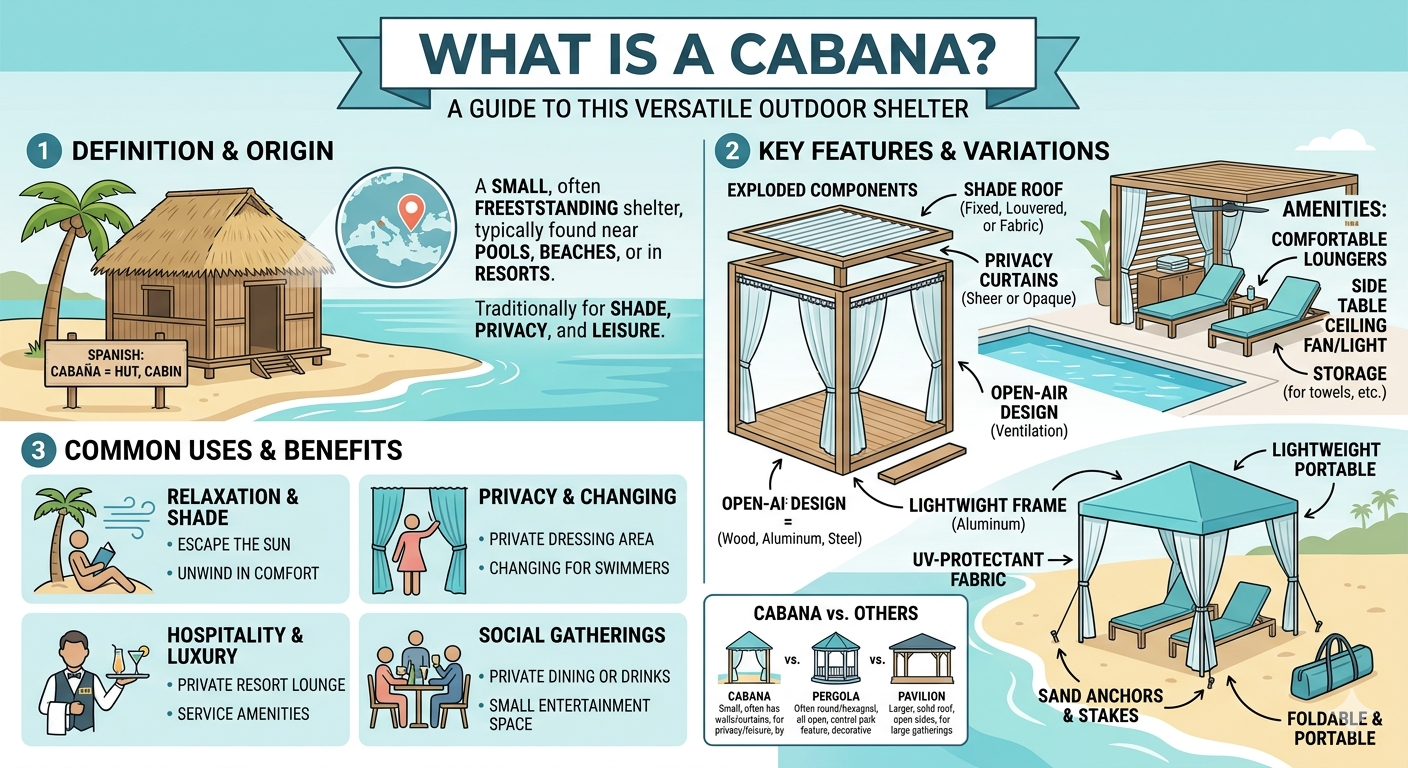
In today's construction and hospitality industries, cabanas have become one of the most popular outdoor structures for resorts, hotels, villas, restaurants, and luxury residential projects. From tropical beach resorts to modern rooftop lounges, cabanas help create stylish, relaxing, and visually attractive outdoor spaces.
For developers and investors evaluating cabana construction in Sri Lanka, these projects offer strong opportunities in tourism development, luxury outdoor architecture, eco-friendly construction, and modern landscape design.
A cabana is a small outdoor shelter or structure designed for relaxation, shade, comfort, and privacy. Cabanas are commonly built near swimming pools, beaches, gardens, rooftops, resorts, riversides, hotels, and villas.
Traditional cabanas were simple huts made from natural materials such as wood, bamboo, and palm leaves. Today, modern cabanas include luxury architectural finishes, integrated lighting, private bathrooms, air conditioning, and premium furniture. This is why many clients now approach luxury cabana builders for resorts and villas instead of treating the structure as a basic shade element.
The demand for cabanas has increased rapidly because clients now prioritize outdoor living and tourism-focused architecture. Luxury resorts and eco-tourism businesses use cabanas to create unique guest experiences, while homeowners want outdoor spaces for relaxation and entertainment.
Visually attractive cabanas also support hotel and resort marketing across platforms such as Instagram, TikTok, and Pinterest. High-end travelers increasingly prefer private outdoor accommodations that feel connected to nature.
A well-designed cabana is both a hospitality asset and a brand statement for the property. - Gaura Construction
Construction companies can deliver different cabana formats depending on the location, budget, and guest experience the client wants to create.
Beach cabanas are designed for coastal environments and tropical tourism projects. They typically use open-air layouts, natural ventilation, ocean-view orientation, tropical roofing systems, and relaxed outdoor lounging zones.
Common materials include coconut timber, bamboo, cadjan roofing, and treated hardwood. In Sri Lanka, beach cabanas are especially popular in Mirissa, Weligama, and Arugam Bay.
Poolside cabanas are widely used in hotels, luxury homes, and apartment developments. Features often include lounge seating, daybeds, decorative curtains, lighting systems, and mini entertainment areas.
For hospitality developers seeking poolside cabana design and build services, these structures add both functionality and visual value to the surrounding landscape.
Eco cabanas are environmentally friendly structures built with sustainable construction methods. Popular materials include bamboo, recycled wood, palm leaves, clay, and natural stone.
Eco cabanas are increasingly used in eco resorts, glamping sites, nature hotels, and forest tourism projects. Areas such as Ella and Sigiriya have seen major growth in this segment.
Luxury cabanas are premium hospitality structures developed for high-end tourism markets. Common features include private plunge pools, glass walls, air conditioning, modern interiors, outdoor showers, premium lighting, and smart automation systems.
These units are commonly built for boutique hotels and private villas, especially where operators need custom resort cabana construction solutions tailored to brand identity and guest expectations.
Garden cabanas are used in residential landscaping projects for family relaxation, outdoor dining, BBQ areas, reading corners, yoga spaces, and small entertainment zones.
Urban construction trends have introduced rooftop cabanas for hotels, restaurants, apartment buildings, and commercial rooftops. These structures help turn underused roof areas into premium leisure spaces.
Construction companies now combine traditional tropical architecture with modern luxury aesthetics to suit different property types.
This style remains highly popular in tropical countries. Typical characteristics include open-air layouts, palm leaf roofing, wooden columns, natural airflow, and organic landscaping. Tropical cabanas create a relaxed resort atmosphere while maintaining strong ventilation.
Modern minimalist cabanas emphasize clean architectural lines, concrete textures, steel framing, glass panels, neutral palettes, and LED lighting. These designs are popular in upscale residential and commercial developments.
Rustic cabanas use reclaimed timber, bamboo, stone, and clay tiles. They are especially suitable for eco-tourism and nature-focused projects.
A-frame cabanas are triangle-shaped structures that continue to grow in popularity for glamping and boutique hospitality. Their strong appearance, structural efficiency, and fit for small plots make them attractive to investors looking for fast marketable concepts.
Selecting the right materials is essential for durability, weather resistance, and visual appeal.
Wood offers a natural luxury appearance, with teak, mahogany, coconut timber, and kumbuk wood used for many premium projects. Bamboo remains affordable, sustainable, lightweight, and fast to install. Cadjan roofing is still highly valued in tropical resort construction because of its insulation and cooling effect. Steel and aluminum provide long life and low maintenance, while concrete is often chosen for rooftop projects, premium hotels, and modern villas.
Professional cabana construction usually includes site planning, structural design, foundation work, roofing installation, electrical and lighting integration, and landscape finishing. Each stage needs to respond to wind exposure, drainage, intended occupancy, and the visual character of the overall property.
Cabanas create strong business opportunities in tourism construction, resort development, hotel renovations, luxury residential projects, eco-tourism investments, and rooftop entertainment spaces. Construction companies can also package design, turnkey construction, landscape integration, interior finishing, and outdoor lighting as one service offer.
The tourism and hospitality industries in Sri Lanka continue to drive cabana construction demand in destinations such as Unawatuna, Trincomalee, Bentota, and Ella. Current market trends include luxury eco cabanas, jungle resorts, glamping structures, infinity pool cabanas, rooftop leisure cabanas, and modular prefab cabanas.
For property owners planning these concepts, working with an experienced cabana construction company in Sri Lanka helps align architecture, engineering, and guest experience from the earliest design stage.
Cabanas improve property value, strengthen guest experience, increase online marketing appeal, and can generate premium rental income. In hospitality projects, they are no longer optional decorative structures. They are revenue-supporting assets that shape how a property is perceived.
A cabana is far more than a simple outdoor shelter. It is now an important architectural feature in modern construction, tourism, hospitality, and outdoor lifestyle development. From tropical beach resorts to luxury villas and rooftop entertainment spaces, cabanas combine comfort, aesthetics, functionality, and nature into one attractive structure.
As tourism and outdoor lifestyle trends continue to grow, cabanas will remain one of the most in-demand construction concepts in the coming years.